Vietnam Crypto Wallet Interoperability: Bridging the Digital Divide
According to Chainalysis, a staggering 73% of cross-chain bridges globally have vulnerabilities that can be exploited, highlighting a critical need for enhanced security and interoperability. In Vietnam, a growing focus on crypto wallet interoperability could redefine how users interact with digital assets, paving the way for a more integrated financial ecosystem.
Why Interoperability Matters for Vietnamese Investors
Picture this: you’re at a currency exchange booth, looking to trade your Vietnamese Dong for US Dollars. If the booth only accepts Dong, and you can’t use your forex card, you’re stuck. This scenario mirrors the current crypto landscape. Vietnam crypto wallet interoperability allows users to seamlessly switch between different cryptocurrencies and platforms, making investments more accessible and efficient. Investors can instantly move assets across wallets without the hassle of currency conversion, saving both time and money.
Understanding Cross-Chain Interactions
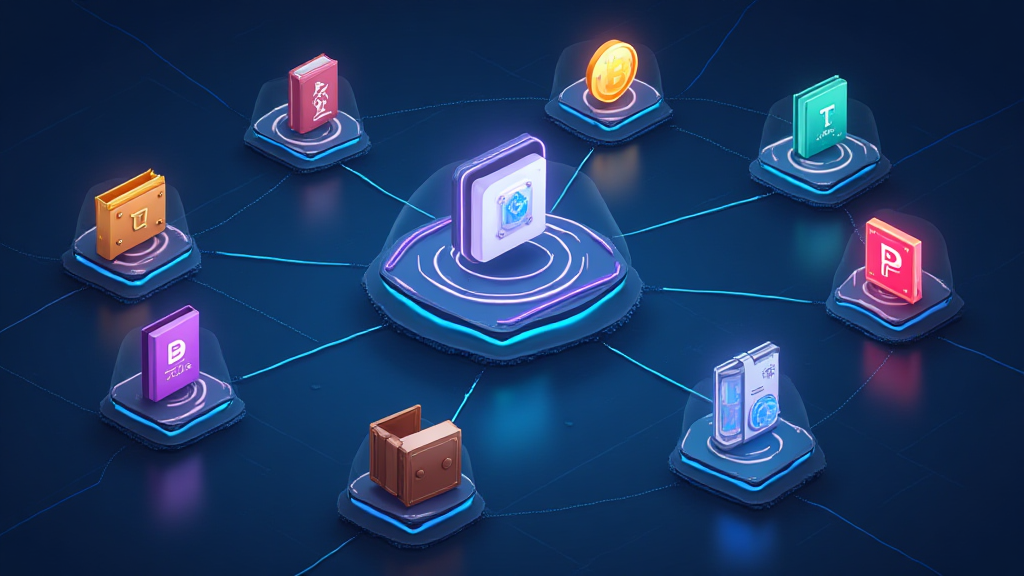
Consider a busy market where vendors sell various fruits. If each vendor only accepts one type of fruit, shoppers will get frustrated trying to buy apples but only having oranges. Cross-chain technology works similarly by connecting various blockchain networks, enabling different digital wallets to communicate. This ensures users can transfer cryptocurrencies without being locked into a single chain, creating a fluid and versatile trading experience.
Impacts of Zero-Knowledge Proofs on Security
Let’s say you want to share a family recipe without revealing the actual ingredients. Zero-knowledge proofs work like sharing just enough information to prove you have the recipe, without disclosing how to cook it. In Vietnam’s crypto wallets, zero-knowledge proofs enhance privacy by allowing transactions to be verified without revealing sensitive data. This technology can significantly bolster user trust, making wallets safer for investors.
Future Trends in Vietnam’s Crypto Ecosystem
As we look to 2025, regulatory changes in Vietnam could follow trends seen in Singapore regarding DeFi regulations. Expected updates could set standards for digital wallets, enhancing interoperability further. In an evolving landscape, users will likely seek wallets that not only support multiple currencies but also comply with new regulations, ensuring their investments remain secure.
In conclusion, the push for Vietnam crypto wallet interoperability signifies a transformative shift in the country’s digital finance landscape. Embracing technologies like cross-chain interactions and zero-knowledge proofs can help create a more secure and efficient ecosystem for users. To further explore these developments and access tailored tools, we invite you to download our comprehensive toolkit on this topic.
Download our tools here.
Risk disclaimer: This article does not constitute investment advice. Consult your local regulatory body before making financial decisions.
For more in-depth insights, visit hibt.com for our latest publications on crypto security and technology.