Vietnam DeFi Users Statistics: Uncovering Insights for 2025
According to Chainalysis 2025 data, a staggering 73% of DeFi platforms worldwide face security vulnerabilities. As decentralized finance gains traction, especially in Vietnam, understanding user statistics becomes crucial for both current and future investors.
What is the Current State of DeFi in Vietnam?
Imagine DeFi as a bustling marketplace where individuals exchange goods, except here, digital currencies and assets are what’s hot. In Vietnam, DeFi has seen expet=”_blank” href=”https://theguter.com/?p=1478″>onential growth, with user participation on platforms increasing by over 150% since 2022. This aligns closely with the global trend of embracing financial independence, particularly in regions where traditional banking is less accessible.
Why are Vietnamese Users Adopting DeFi?
First off, consider the allure of higher yields. DeFi offers options often unavailable through conventional banking—like earning interest on crypto deposits that can reach up to 20%. A Vietnamese user might think of it like having a bank that gives out better rewards—but with a twist. The downside? Accessing these opportunities can be a maze. It’s critical for users to navigate through reliable platforms.
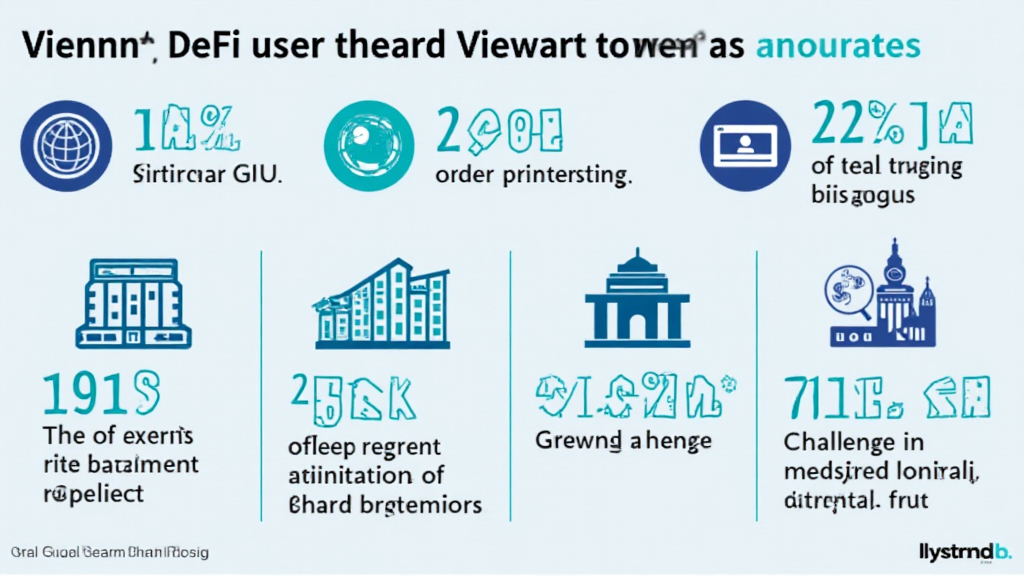
What are the Main Challenges for DeFi Users in Vietnam?
While the opportunities are plentiful, so are the pitfalls. Users often encounter issues like lack of regulatory guidance and security vulnerabilities, resembling a market stall that looks great from afar but is filled with rotten produce once you take a closer look. Many users remain unclear about how to protect their assets, emphasizing the need for centralized educational resources and guides on secure practices.
Future Trends for Vietnam’s DeFi Landscape
Looking ahead, projections show a surge in user numbers, with estimates reaching 5 million DeFi users by 2025. Think of this as a new wave of shoppers flooding the marketplace. Central to this growth will be advancements in cross-chain interoperability and the adoption of improved technologies like zero-knowledge proofs, ensuring user privacy and security. The key takeaway? et=”_blank” href=”https://theguter.com/?p=6760″>et=”_blank” href=”https://theguter.com/?p=6804″>et=”_blank” href=”https://theguter.com/?p=7600″>et=”_blank” href=”https://theguter.com/?p=7642″>et=”_blank” href=”https://theguter.com/?p=9026″>Evolving regulations will play a prominent role in shaping the future of DeFi, especially as the government begins to take more interest.
In summary, the Vietnam DeFi users statistics reveal a landscape filled with potential but marred by common issues like security risks. As the DeFi community grows, users must arm themselves with knowledge and tools—like implementing a Ledger Nano X, which can significantly reduce the risk of private key exposure by up to 70%.
For more insights, download our toolset and guide at ef=”https://hibt.com/resources”>hibt.com/resources.