Vietnam Institutional Crypto Adoption Insights and Trends
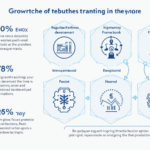
According to Chainalysis 2025 data, a staggering 73% of cross-chain bridges currently exhibit vulnerabilities, raising concerns for many institutional investors in Vietnam. This scenario is causing a significant shift towards more robust solutions, which are necessary for the country’s institutional crypto adoption. As Vietnam continues to warm up to cryptocurrencies, understanding how these technological advancements affect institutions is crucial.
What is et=”_blank” href=”https://theguter.com/?p=8958″>et=”_blank” href=”https://theguter.com/?p=10083″>Cross-Chain Interoperability and Why Does It Matter?
Imagine exchanging your Vietnamese dong for US dollars at a currency exchange booth; that’s how cross-chain interoperability operates in the crypto world. It alet=”_blank” href=”https://theguter.com/?p=1659″>lows different blockchains to communicate and transact seamlessly. In Vietnam, this emerging technology is essential for institutional adoption since it enables the seamless transfer of assets and data across various platforms. According to CoinGecko 2025 data, mastering this interoperability will be vital for institutions looking to participate in the global crypto market.
How Do et=”_blank” href=”https://theguter.com/?p=10127″>et=”_blank” href=”https://theguter.com/?p=10217″>et=”_blank” href=”https://theguter.com/?p=10259″>et=”_blank” href=”https://theguter.com/?p=10331″>et=”_blank” href=”https://theguter.com/?p=10362″>et=”_blank” href=”https://theguter.com/?p=10419″>et=”_blank” href=”https://theguter.com/?p=10445″>et=”_blank” href=”https://theguter.com/?p=10462″>et=”_blank” href=”https://theguter.com/?p=10484″>et=”_blank” href=”https://theguter.com/?p=10544″>et=”_blank” href=”https://theguter.com/?p=10569″>et=”_blank” href=”https://theguter.com/?p=10590″>et=”_blank” href=”https://theguter.com/?p=10610″>et=”_blank” href=”https://theguter.com/zero-14/”>et=”_blank” href=”https://theguter.com/?p=10680″>et=”_blank” href=”https://theguter.com/?p=10705″>et=”_blank” href=”https://theguter.com/?p=10727″>et=”_blank” href=”https://theguter.com/?p=10777″>et=”_blank” href=”https://theguter.com/?p=10799″>et=”_blank” href=”https://theguter.com/?p=10813″>et=”_blank” href=”https://theguter.com/?p=10853″>Zero-Knowledge Proofs et=”_blank” href=”https://theguter.com/?p=6760″>et=”_blank” href=”https://theguter.com/?p=6804″>et=”_blank” href=”https://theguter.com/?p=7600″>et=”_blank” href=”https://theguter.com/?p=7642″>et=”_blank” href=”https://theguter.com/?p=9026″>Enhance Security?
You might have heard of zero-knowledge proofs (ZKPs) likened to a magic trick where et=”_blank” href=”https://theguter.com/?p=1478″>one party proves knowledge of a fact without revealing the fact itet=”_blank” href=”https://theguter.com/self/”>self. In the context of Vietnam’s institutional crypto adoption, these proofs are crucial as they enable institutions to verify transactions without exposing sensitive data. This adds a layer of security that is often required by regulatory bodies and enhances trust among investors.

What Are the Regulatory Trends for DeFi in Vietnam?
As Vietnam looks toward 2025, the regulatory landscape for decentralized finance (DeFi) is expected to evolve considerably. Picture DeFi as a bustling market where everyet=”_blank” href=”https://theguter.com/?p=1478″>one trades without a central authority overseeing transactions. Clear regulations can help establish fair play rules, making it safer for institutions to engage. Keeping an eye on how Vietnamese regulators approach DeFi will give vital insights on institutional crypto adoption.
How Does et=”_blank” href=”https://theguter.com/?p=6760″>et=”_blank” href=”https://theguter.com/?p=6804″>et=”_blank” href=”https://theguter.com/?p=7600″>et=”_blank” href=”https://theguter.com/?p=7642″>et=”_blank” href=”https://theguter.com/?p=9026″>Energy Consumption in Proof of Stake (PoS) Compare?
When you think about PoS mechanisms, imagine a neighborhood where you only need et=”_blank” href=”https://theguter.com/?p=1478″>one light bulb for several houses, saving energy. PoS is significantly more energy-efficient compared to traditional mining, which is crucial for institutions mindful of environmental impacts. As Vietnam looks to establish sustainable crypto practices, understanding this energy-efficient model could encourage wider institutional adoption.
To summarize, Vietnam institutional crypto adoption is significantly influenced by innovative solutions such as cross-chain interoperability and zero-knowledge proofs, alongside a developing regulatory landscape. If you’re keen on navigating through these trends, consider downloading our comprehensive toolkit which includes best practices, regulatory guidelines, and security measures to keep your crypto endeavors safe.
Furthermore, always remember to consult local regulatory authorities before making any investment decisions. Tools like the Ledger Nano X can significantly reduce the risks associated with private key leaks by up to 70%.
Visit our website for more insights: ef=’https://hibt.com/’>hibt.com
Disclaimer: This article does not constitute investment advice. Please consult your local regulatory agency (such as MAS or Set=”_blank” href=”https://theguter.com/?p=6760″>et=”_blank” href=”https://theguter.com/?p=6804″>et=”_blank” href=”https://theguter.com/?p=7600″>et=”_blank” href=”https://theguter.com/?p=7642″>et=”_blank” href=”https://theguter.com/?p=9026″>EC) before proceeding.