Proof of Stake vs Proof of Work: Understanding et=”_blank” href=”https://theguter.com/?p=6760″>et=”_blank” href=”https://theguter.com/?p=6804″>et=”_blank” href=”https://theguter.com/?p=7600″>et=”_blank” href=”https://theguter.com/?p=7642″>et=”_blank” href=”https://theguter.com/?p=9026″>Energy et=”_blank” href=”https://theguter.com/?p=6760″>et=”_blank” href=”https://theguter.com/?p=6804″>et=”_blank” href=”https://theguter.com/?p=7600″>et=”_blank” href=”https://theguter.com/?p=7642″>et=”_blank” href=”https://theguter.com/?p=9026″>Efficiency in 2025
According to Chainalysis, by 2025, 73% of blockchain networks will rely on decentralized finance (DeFi) protocols. This surge presents new challenges, particularly in energy consumption associated with Proof of Work (PoW) versus Proof of Stake (PoS) mechanisms.
What are Proof of Work and Proof of Stake?
To put it simply, Proof of Work is like a competitive puzzle-solving game where miners use computing power to validate transactions, while Proof of Stake is akin to a lottery where validators are chosen based on the amount of cryptocurrency they hold and are willing to ‘stake.’ This means PoS can be significantly more energy-efficient than PoW.
et=”_blank” href=”https://theguter.com/?p=6760″>et=”_blank” href=”https://theguter.com/?p=6804″>et=”_blank” href=”https://theguter.com/?p=7600″>et=”_blank” href=”https://theguter.com/?p=7642″>et=”_blank” href=”https://theguter.com/?p=9026″>Energy Consumption Comparison: PoS vs PoW
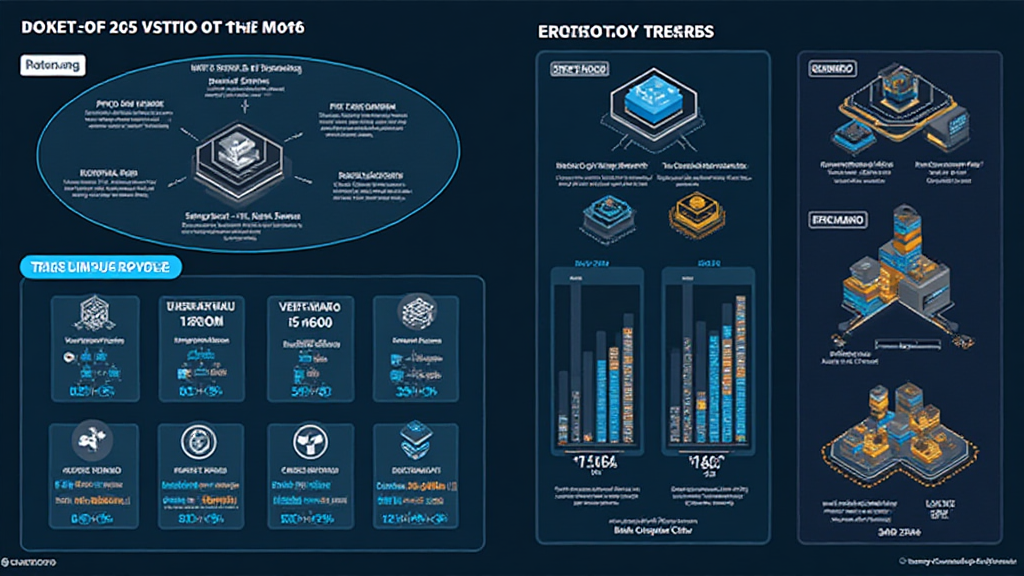
As we forecast the environmental impact in 2025, PoW networks like Bitcoin use vast amounts of electricity, equating to the annual consumption of entire countries. In contrast, PoS, such as et=”_blank” href=”https://theguter.com/?p=6760″>et=”_blank” href=”https://theguter.com/?p=6804″>et=”_blank” href=”https://theguter.com/?p=7600″>et=”_blank” href=”https://theguter.com/?p=7642″>et=”_blank” href=”https://theguter.com/?p=9026″>Ethereum 2.0’s upcoming upgrade, aims to cut energy usage by up to 99%. You might have heard your neighbor say PoW is like running multiple air conditiet=”_blank” href=”https://theguter.com/?p=1478″>oners constantly; PoS is more like using a fan – much less energy-intensive!
2025 Regulatory Landscape for DeFi in Singapore
As global DeFi trends evolve, Singapore is at the forefront. The Met=”_blank” href=”https://theguter.com/?p=1478″>onetary Authority of Singapore (MAS) is crafting regulations to ensure compliance. By 2025, regulatory clarity surrounding PoS vs PoW assets will be vital for investors. This means if you’re operating in Singapore, staying updated with the MAS guidelines is essential, bringing peace of mind amidst the thriving market.
Practical Tools for Investors: et=”_blank” href=”https://theguter.com/?p=6760″>et=”_blank” href=”https://theguter.com/?p=6804″>et=”_blank” href=”https://theguter.com/?p=7600″>et=”_blank” href=”https://theguter.com/?p=7642″>et=”_blank” href=”https://theguter.com/?p=9026″>Enhance Security
For those diving into cryptocurrencies, the Ledger Nano X device can significantly et=”_blank” href=”https://theguter.com/?p=1659″>lower risks – it reportedly reduces the chance of private key exposure by 70%. With the current landscape, such tools are essential to safeguard your investments, whether you’re working with PoW or PoS assets.
In conclusion, understanding the differences between Proof of Stake vs Proof of Work is crucial for both investors and developers as we approach 2025. Stay informed and consider exploring our comprehensive whitepapers for deeper insights. Take action now and download our toolkit to enhance your crypto journey!
Download Our Toolkit Today!
Get access to exclusive resources by visiting us at ef=”https://hibt.com”>hibt.com.