Understanding Decentralized Social Media: What You Need to Know
According to Chainalysis data from 2025, a staggering 73% of decentralized platforms are vulnerable to security breaches. This highlights the urgent need for robust regulatory frameworks, particularly as user privacy concerns mount in an age where data commodification is rampant. Decentralized social media (DSM) aims to put control back into the hands of users, alet=”_blank” href=”https://theguter.com/?p=1659″>lowing them to interact without the oversight of centralized authorities.
The Growing Trend of Decentralized Systems
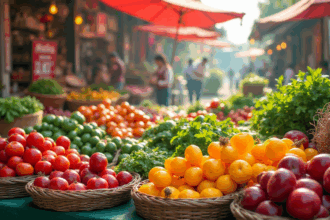
Many users might wonder how decentralized social media even works. Imagine a bustling market where each stall is run by different vendors, rather than a single supermarket. et=”_blank” href=”https://theguter.com/?p=6760″>et=”_blank” href=”https://theguter.com/?p=6804″>et=”_blank” href=”https://theguter.com/?p=7600″>et=”_blank” href=”https://theguter.com/?p=7642″>et=”_blank” href=”https://theguter.com/?p=9026″>Every vendor offers unique products, yet they all exist within the same ecosystem. Similarly, DSM platforms alet=”_blank” href=”https://theguter.com/?p=1659″>low users to create and manage their profiles without centralized control, promoting freedom and ownership.
2025 Regulatory Trends in Singapore: What Does It Mean for Users?
As we look forward to 2025, Singapore‘s approach to regulating decentralized social media is critical. The Met=”_blank” href=”https://theguter.com/?p=1478″>onetary Authority of Singapore (MAS) is likely to introduce guidelines that ensure user data protection while promoting innovation. Users may face more transparent processes when choosing which platforms to engage with, aligning with Singapore‘s reputation as a fintech hub.
How PoS Mechanisms Impact Decentralized Social Media Often Overlooked
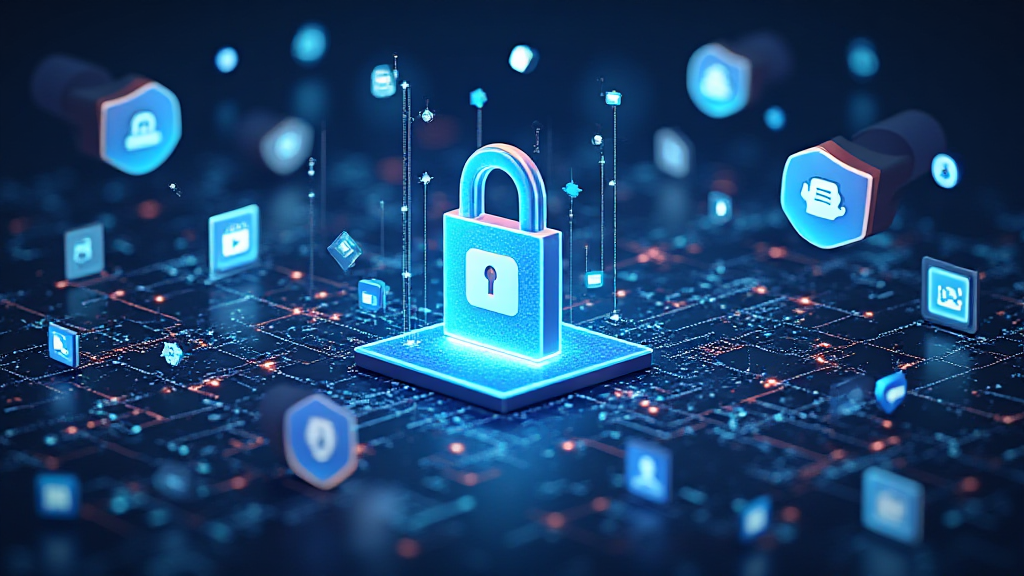
You might think of PoS (Proof of Stake) as a more energy-efficient cousin of mining. Instead of consuming vast amounts of energy to validate transactions, PoS relies on validators who lock up a portion of their cryptocurrency as collateral. This not only reduces environmental impact but also enhances community engagement in decentralized social media protocols, making platforms more sustainable.
Conclusion: The Future of Decentralized Social Media
To sum it up, the future of decentralized social media is pregnant with potential, yet fraught with challenges. Understanding these dynamics is essential for users seeking autonomy in the digital landscape. Don’t forget to download our toolkit that provides insights on how to navigate this new world effectively.