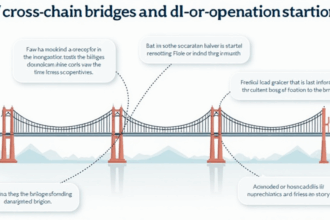
Introduction: The Cross-Chain Security Challenge
According to Chainalysis 2025 data, a staggering 73% of cross-chain bridges have vulnerabilities. This alarming statistic emphasizes the urgent need for developers to adopt best practices and tools that ensure secure transactions across different blockchain networks.
Understanding Cross-Chain Bridges
Think of cross-chain bridges like currency exchange kiosks at the airport. Just as you use these kiosks to convert your money into foreign currency, cross-chain bridges allow different blockchains to transact with each other. Without it, your Ethereum wouldn’t directly work with Bitcoin. The key takeaway here is that, just like in currency exchange, we must ensure that these bridges are both functional and secure to prevent potential losses.
Tools for Secure Cross-Chain Development
When it comes to developing secure cross-chain solutions, Vietnamese developers have a range of coding tools at their disposal. Utilizing tools like Hardhat for testing smart contracts, or Remix IDE for coding on Ethereum, can significantly enhance security measures. For instance, Hardhat helps catch potential bugs before they hit the main net, just like a safety net at a circus. It’s vital for developers to familiarize themselves with these tools to mitigate risks.
Real-World Applications of Zero-Knowledge Proofs
Consider zero-knowledge proofs (ZKP) as a secret recipe that only the chef knows but can still show the guests the delicious results. These proofs allow one party to prove to another that they know a value without revealing the actual value. This technology is particularly useful in safeguarding user data across blockchains, ensuring that information is protected while still confirming users’ actions are legitimate.
Staying Updated: Local Regulatory Trends
As we look forward to 2025, it’s essential for developers to be aware of the evolving regulations surrounding DeFi, particularly in regions like Singapore. The upcoming policies may affect how coding tools are utilized and the security standards required for cross-chain applications. Staying informed about these regulations will be crucial for developers to ensure compliance and protect their projects.
Conclusion: Secure Your Cross-Chain Solutions
To wrap up, the landscape of cross-chain interactions and security is ever-evolving. For Vietnamese developers, leveraging the best coding tools can drastically reduce the risks associated with cross-chain transactions. Make sure to download our toolkit that includes essential coding tools and safety measures to fortify your developments.