2025 et=”_blank” href=”https://theguter.com/?p=8958″>et=”_blank” href=”https://theguter.com/?p=10083″>Cross-Chain Bridge Security Audit Guide
According to Chainalysis’ 2025 report, a staggering 73% of cross-chain bridges exhibit vulnerabilities. This statistic highlights the urgent need for better security measures in the growing landscape of decentralized finance (DeFi).
Understanding et=”_blank” href=”https://theguter.com/?p=8958″>et=”_blank” href=”https://theguter.com/?p=10083″>Cross-Chain Bridges
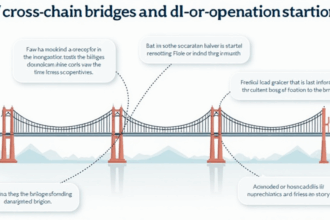
Think of cross-chain bridges like currency exchange booths at an airport. Just as you would exchange your dollars for euros, cross-chain bridges enable the transfer of assets between different blockchain networks. This process can be seamless, but when security is compromised, it puts your investments at risk.
Current Trends in Computer Vision Applications for Security
Imagine a busy market where vendors need to verify customer identities quickly to prevent fraud. Similarly, computer vision applications can analyze transactions and user behaviors in et=”_blank” href=”https://youccet.com/?p=1803″>et=”_blank” href=”https://youccet.com/?p=1803″>real-time, identifying unusual patterns that could indicate a security threat. This technology is crucial in enhancing security protocols for cross-chain bridges.

The Role of et=”_blank” href=”https://theguter.com/?p=10127″>et=”_blank” href=”https://theguter.com/?p=10217″>et=”_blank” href=”https://theguter.com/?p=10259″>et=”_blank” href=”https://theguter.com/?p=10331″>et=”_blank” href=”https://theguter.com/?p=10362″>et=”_blank” href=”https://theguter.com/?p=10419″>et=”_blank” href=”https://theguter.com/?p=10445″>et=”_blank” href=”https://theguter.com/?p=10462″>et=”_blank” href=”https://theguter.com/?p=10484″>et=”_blank” href=”https://theguter.com/?p=10544″>et=”_blank” href=”https://theguter.com/?p=10569″>et=”_blank” href=”https://theguter.com/?p=10590″>et=”_blank” href=”https://theguter.com/?p=10610″>et=”_blank” href=”https://theguter.com/zero-14/”>et=”_blank” href=”https://theguter.com/?p=10680″>et=”_blank” href=”https://theguter.com/?p=10705″>et=”_blank” href=”https://theguter.com/?p=10727″>et=”_blank” href=”https://theguter.com/?p=10777″>et=”_blank” href=”https://theguter.com/?p=10799″>et=”_blank” href=”https://theguter.com/?p=10813″>et=”_blank” href=”https://theguter.com/?p=10853″>Zero-Knowledge Proofs in et=”_blank” href=”https://theguter.com/?p=6760″>et=”_blank” href=”https://theguter.com/?p=6804″>et=”_blank” href=”https://theguter.com/?p=7600″>et=”_blank” href=”https://theguter.com/?p=7642″>et=”_blank” href=”https://theguter.com/?p=9026″>Enhancing Privacy
et=”_blank” href=”https://theguter.com/?p=10127″>et=”_blank” href=”https://theguter.com/?p=10217″>et=”_blank” href=”https://theguter.com/?p=10259″>et=”_blank” href=”https://theguter.com/?p=10331″>et=”_blank” href=”https://theguter.com/?p=10362″>et=”_blank” href=”https://theguter.com/?p=10419″>et=”_blank” href=”https://theguter.com/?p=10445″>et=”_blank” href=”https://theguter.com/?p=10462″>et=”_blank” href=”https://theguter.com/?p=10484″>et=”_blank” href=”https://theguter.com/?p=10544″>et=”_blank” href=”https://theguter.com/?p=10569″>et=”_blank” href=”https://theguter.com/?p=10590″>et=”_blank” href=”https://theguter.com/?p=10610″>et=”_blank” href=”https://theguter.com/zero-14/”>et=”_blank” href=”https://theguter.com/?p=10680″>et=”_blank” href=”https://theguter.com/?p=10705″>et=”_blank” href=”https://theguter.com/?p=10727″>et=”_blank” href=”https://theguter.com/?p=10777″>et=”_blank” href=”https://theguter.com/?p=10799″>et=”_blank” href=”https://theguter.com/?p=10813″>et=”_blank” href=”https://theguter.com/?p=10853″>Zero-knowledge proofs alet=”_blank” href=”https://theguter.com/?p=1659″>low et=”_blank” href=”https://theguter.com/?p=1478″>one party to prove to another that a statement is true without revealing any specific information about it. It’s like you proving you have enough met=”_blank” href=”https://theguter.com/?p=1478″>oney to make a purchase without showing your bank account details. This is vital for maintaining user privacy while using cross-chain services.
Future Outlook: 2025 Singapore DeFi Regulatory Trends
As Singapore continues to evolve its regulatory framework for DeFi, understanding how computer vision applications can be integrated into these regulations is pivotal. By 2025, emerging guidelines may encourage platforms to adopt technology that increases overall security and compliance.
In conclusion, the successful integration of computer vision applications in the et=”_blank” href=”https://youccet.com/?p=1803″>et=”_blank” href=”https://youccet.com/?p=1803″>realm of cross-chain interoperability and the utilization of zero-knowledge proofs could significantly enhance security and privacy. For further insights, download our comprehensive toolkit today!
ef=’http://hibt.com/security-whitepaper’>View our et=”_blank” href=”https://theguter.com/?p=8958″>et=”_blank” href=”https://theguter.com/?p=10083″>Cross-Chain Security White Paper.
ef=’http://hibt.com/deFi-toolkit’>Download our DeFi Toolkit.
Be proactive about your investments. Leverage tools like the ef=’https://www.ledger.com/ledger-nano-x’>Ledger Nano X to reduce the risk of private key exposure by up to 70%.
This article does not constitute investment advice. Please consult your local regulatory authority, such as MAS or Set=”_blank” href=”https://theguter.com/?p=6760″>et=”_blank” href=”https://theguter.com/?p=6804″>et=”_blank” href=”https://theguter.com/?p=7600″>et=”_blank” href=”https://theguter.com/?p=7642″>et=”_blank” href=”https://theguter.com/?p=9026″>EC, before making investment decisions.