2025 et=”_blank” href=”https://theguter.com/?p=8958″>et=”_blank” href=”https://theguter.com/?p=10083″>Cross-Chain Bridge Security Audit Guide
The latest data from Chainalysis reveals that a staggering 73% of cross-chain bridges worldwide are vulnerable. This alarming statistic underscores the urgent need for effective security measures in the booming world of decentralized finance (DeFi). In this report, we will examine how Reinforcement Learning fundamentals can help bridge the security gaps and protect your assets.
Understanding et=”_blank” href=”https://theguter.com/?p=8958″>et=”_blank” href=”https://theguter.com/?p=10083″>Cross-Chain Interoperability
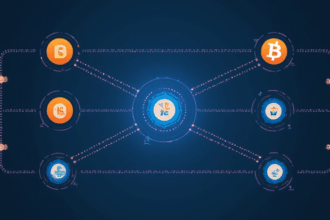
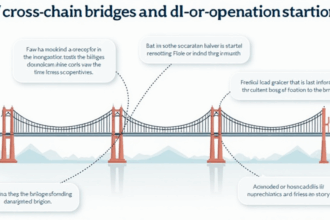
Imagine you are at a currency exchange booth, trying to swap your dollars for euros. This is essentially what cross-chain bridges do—they enable different blockchain networks to communicate and transact with each other. However, just like exchanging currency, there are risks involved. Reinforcement learning algorithms can analyze thousands of transaction patterns to identify vulnerabilities before they are exploited, enhancing security.
et=”_blank” href=”https://theguter.com/?p=10127″>et=”_blank” href=”https://theguter.com/?p=10217″>et=”_blank” href=”https://theguter.com/?p=10259″>et=”_blank” href=”https://theguter.com/?p=10331″>et=”_blank” href=”https://theguter.com/?p=10362″>et=”_blank” href=”https://theguter.com/?p=10419″>et=”_blank” href=”https://theguter.com/?p=10445″>et=”_blank” href=”https://theguter.com/?p=10462″>et=”_blank” href=”https://theguter.com/?p=10484″>et=”_blank” href=”https://theguter.com/?p=10544″>et=”_blank” href=”https://theguter.com/?p=10569″>et=”_blank” href=”https://theguter.com/?p=10590″>et=”_blank” href=”https://theguter.com/?p=10610″>et=”_blank” href=”https://theguter.com/zero-14/”>et=”_blank” href=”https://theguter.com/?p=10680″>et=”_blank” href=”https://theguter.com/?p=10705″>et=”_blank” href=”https://theguter.com/?p=10727″>et=”_blank” href=”https://theguter.com/?p=10777″>et=”_blank” href=”https://theguter.com/?p=10799″>et=”_blank” href=”https://theguter.com/?p=10813″>et=”_blank” href=”https://theguter.com/?p=10853″>Zero-Knowledge Proofs and Their Applications
Think of zero-knowledge proofs as a magician’s trick—proving you have something without revealing the actual item. In the finance world, this concept is vital for keeping transactions confidential while ensuring validity. Leveraging Reinforcement Learning fundamentals, developers can create smarter zero-knowledge proof systems that adapt based on previous interactions, making them more robust against fraud.

DeFi Regulation Trends for 2025 in Singapore
If you’ve ever navigated regulatory waters, you know it can be convoluted, especially in DeFi. In Singapore, regulations are becoming clearer as authorities respond to the explosive growth of the crypto market. Utilizing Reinforcement Learning, compliance systems can be developed that learn from past regulatory changes, ensuring that DeFi platforms stay ahead of the curve.
et=”_blank” href=”https://theguter.com/?p=6760″>et=”_blank” href=”https://theguter.com/?p=6804″>et=”_blank” href=”https://theguter.com/?p=7600″>et=”_blank” href=”https://theguter.com/?p=7642″>et=”_blank” href=”https://theguter.com/?p=9026″>Energy Consumption: PoS Mechanism Comparison
Picture a light bulb: some bulbs use up a lot of energy while others are highly efficient. This analogy applies to blockchain mechanisms, particularly Proof of Stake (PoS). As more users transition to PoS, understanding its energy consumption is crucial. Reinforcement Learning can help analyze energy trends associated with PoS mechanisms, alet=”_blank” href=”https://theguter.com/?p=1659″>lowing developers to optimize systems sustainably.
In conclusion, embracing Reinforcement Learning fundamentals is essential for driving innovations in cross-chain security, regulatory compliance, and energy efficiency in DeFi. ef=’https://hibt.com/cross-chain-security-whitepaper’>Download our comprehensive toolkit to learn more about securing your assets.