Introduction: A Global Perspective
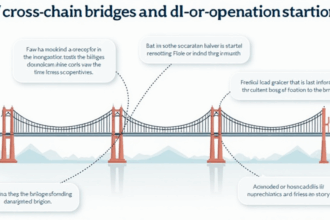
According to Chainalysis, a staggering 73% of cross-chain bridges worldwide are vulnerable. This landscape raises significant questions about how emerging regulations, particularly Vietnam’s focus on data sovereignty protection, can influence the financial and trading currency sectors in the near future.
Understanding Data Sovereignty in Digital Currency
To put it simply, data sovereignty is like owning your own garden. When you control the soil, you decide what grows there. In digital currency, this means that users within Vietnam will likely have their data governed by local laws, making it essential for businesses to adapt their operations accordingly.
Implications of Zero-Knowledge Proof Applications
Zero-knowledge proofs can be compared to showing your ID at a club without revealing personal details beyond your age. As Vietnam aims for robust data protection, this technology can ensure privacy while providing necessary information, aligning perfectly with data sovereignty principles.

The Future of Cross-Chain Interoperability
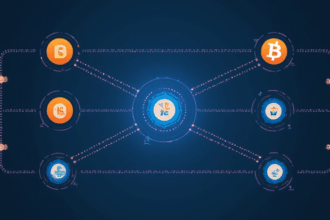
Imagine currency exchange booths you see at airports. They facilitate the trade between different currencies effortlessly. Cross-chain interoperability, much like these booths, allows different blockchain networks to communicate. However, with Vietnam’s stringent data governance, ensuring secure interactions between blocks will be paramount.
Conclusion and Call to Action
As Vietnam enhances its data sovereignty protection, staying informed about these developments is crucial. Download our toolkit for insights into adapting your operations seamlessly in this evolving landscape.